7 Pilot Valve Buying Tips for Global Buyers

Buying a pilot valve across borders is rarely a simple catalog exercise. The component may control pressure, timing, flow, or safety in demanding systems. A small mismatch can cause leakage, unstable operation, or expensive downtime. Global buyers must connect technical data with real operating conditions. That means checking media compatibility, temperature range, pressure ratings, response time, and connection standards.

Field experience matters here.

A valve tested on a clean bench may behave differently in dusty, humid, or cold service. This guide introduces seven practical buying tips for pilot valve selection, supplier evaluation, and delivery planning. It focuses on decisions engineers and procurement teams can verify.

Reliable purchasing also requires evidence, not confident promises. Look for traceable test records, clear drawings, material information, and responsive technical support. Ask how each rating was measured. Check whether replacement parts remain available after installation. A lower unit price may hide unsuitable seals, unclear certification, or costly shipping delays. That risk deserves attention in water treatment, manufacturing, energy, and process control applications.

The best supplier should explain limitations as openly as advantages. No selection is perfect. Specifications can be incomplete, and assumptions may survive several approval stages. A careful buyer leaves room for questions, sample testing, and independent review. The following tips aim to make international pilot valve purchasing more disciplined, practical, and dependable.
7 Pilot Valve Buying Tips for Global Buyers

Understanding Pilot Valve Types and Applications

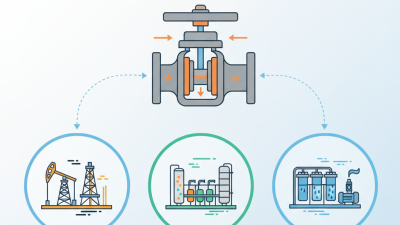
Pilot valves control a larger main valve with a small signal, making them useful in demanding fluid systems. A pressure-reducing pilot maintains downstream pressure when inlet conditions change. A relief pilot opens when pressure exceeds a defined limit. Directional pilots route air or liquid to different actuator chambers. Electrically actuated versions support remote control, while pneumatic versions suit areas with limited electrical access.

Application details should guide the purchase. In water networks, a diaphragm-operated pilot can regulate flow smoothly and tolerate frequent pressure changes. Steam systems require heat-resistant seals, suitable body materials, and careful temperature ratings. Compressed-air equipment may need a fast response and low leakage.

The same valve type can behave differently with dirty water, oil, or aggressive chemicals. Check viscosity, particle size, pressure range, temperature, connection standard, and flow capacity before comparing prices.

A common buying mistake is selecting by port size alone. I have seen small-looking systems require high pilot flow during startup. That detail was missed. Ask for tested response times, adjustment ranges, maintenance instructions, and material certificates. For global projects, confirm thread or flange standards, electrical protection, documentation language, and spare-part availability. A reliable supplier should explain failure positions and cleaning limits clearly. Selection is never flawless. Pilot valves also need field testing after installation, because piping vibration, contaminated media, and unstable upstream pressure can expose assumptions that looked reasonable on paper.

Verifying Pressure, Flow, Material, and Connection Requirements

7 Pilot Valve Buying Tips for Global Buyers

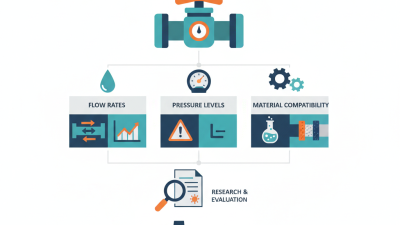
Verifying pressure, flow, material, and connection details prevents costly selection errors. Check the normal, minimum, and maximum inlet pressure before requesting a quotation. Confirm the pilot valve’s pressure range matches real operating conditions, not only the system’s design value. Ask for flow data at the required pressure drop. A valve that responds slowly may restrict downstream performance. Check response time.

Review the controlled medium carefully. Water, air, steam, and aggressive chemicals require different sealing materials. Compare body and trim materials with temperature, corrosion, and cleanliness requirements. Do not rely on a familiar material name alone. Request temperature limits, compatibility data, and documented test results. In field inspections, labels sometimes show incomplete information, so verify every material code against the technical sheet.

Connection details deserve equal attention. Confirm port size, thread standard, flange rating, orientation, and installation space. A correct valve with the wrong thread is still unusable. Ask whether adapters are recommended or necessary, since extra joints can create leak points. Check actuator and tubing connections too. Pilot circuits need clean, stable supply air or fluid. Measure it. I once saw a nearly suitable valve fail because its pilot connection was placed too close to a vibrating pipe. That oversight was preventable, though the original specification looked acceptable. Before purchasing, request dimensional drawings, pressure-flow curves, inspection records, and certificates that match the exact configuration.

Assessing Quality, Compliance, and Supplier Reliability

Global buyers should judge a pilot valve beyond its price and polished catalog. Request material certificates, pressure-test records, and traceable lot numbers. Check leakage performance against ISO 5208 or the contract’s stated standard. Small paperwork gaps matter. ISO’s 2023 Survey recorded more than one million ISO 9001 certificates worldwide, but certification alone proves little. Audit scope, expiry dates, and product coverage.

Confirm pressure, temperature, fluid compatibility, and actuation data using your actual operating envelope. Ask for sample reports, not broad claims. Verify conformity documents for the destination market before payment. Use an independent laboratory when risk is high. Review the supplier’s change-notification procedure, especially for seals, springs, and body materials. One undocumented substitution can affect field performance.

Compare promised lead times with the World Bank’s 2023 Logistics Performance Index, which evaluates 139 economies. Local customs and transport conditions can change delivery risk. Request production capacity, spare-part availability, and two recent customer references. A written escalation path is essential. Factory audits should examine calibration records, nonconformance handling, and final inspection photographs. Keep every approval tied to a purchase order. This is slower. It is also safer. A supplier may provide excellent documents yet communicate poorly after a failed test. That weakness should reduce confidence, even when the valve initially passes inspection.

Comparing Total Costs, Lead Times, and After-Sales Support

A low pilot valve price can hide expensive ownership risks. Grand View Research valued the global industrial valves market at about USD 78 billion in 2022, with continued growth expected through 2030. That scale increases supplier choices, but also creates uneven quality. Compare the valve, actuator, fittings, testing, freight, duties, installation, and replacement costs. Ask for documented material certificates and test records. A cheaper valve that needs field adjustment is not cheaper.

Lead time deserves a written calculation. Request production days, inspection time, export handling, and transit separately. The World Bank’s 2023 Logistics Performance Index shows clear differences in customs and delivery performance between trading regions. Use those differences in your risk model. Keep a small safety stock for critical lines, especially when one delayed valve can stop a process. It feels wasteful. Sometimes it is.

After-sales support should be measurable, not polite wording. Require response hours, troubleshooting channels, spare-part availability, and escalation contacts. The 2023 Deloitte Global Chief Procurement Officer Survey identifies cost management and supply continuity as major procurement pressures. A supplier that answers quickly can reduce downtime, even with a higher quotation. Test this before purchase: send a technical question and record the reply time. Still, response speed alone proves little. Check repair records, warranty limits, and support coverage across time zones. A spreadsheet can lie. Review the assumptions with maintenance staff.

7 Pilot Valve Buying Tips for Global Buyers - Comparing Total Costs, Lead Times, and After-Sales Support
Buying Tip Comparison Dimension Typical Planning Benchmark What Global Buyers Should Verify Cost or Risk Impact
1. Compare landed cost, not unit price Total landed cost For a cross-border order, freight, insurance, import duty, customs handling, and local delivery can add approximately 8%–30% to the quoted product price, depending on destination, shipment size, and trade terms. Request pricing under the same Incoterm, currency, quantity, packaging specification, and delivery location. Confirm whether testing, documentation, export packing, and spare parts are included. Prevents a low initial quotation from becoming a higher delivered cost.
2. Set a realistic lead-time target Production and delivery time Standard pilot valves commonly require about 2–6 weeks for production. Custom materials, special connections, certification, or project documentation can extend the schedule to roughly 8–14 weeks. Separate manufacturing lead time from transit, customs clearance, inspection, and approval time. Ask for a milestone schedule and the latest acceptable ship date. Reduces production stoppages and avoids expensive emergency freight.
3. Match materials to the process medium Pressure, temperature, and corrosion resistance Common construction choices include stainless steel for corrosive or outdoor service and carbon steel for compatible, less corrosive applications. Actual suitability depends on pressure, temperature, fluid chemistry, and elastomer compatibility. Compare body, trim, spring, diaphragm, seals, and connection materials. Require pressure-temperature ratings and compatibility confirmation for the actual medium. Helps avoid premature leakage, corrosion, unplanned replacement, and safety exposure.
4. Standardize inspection and test documents Quality assurance and traceability A complete industrial valve documentation package may include a material certificate, pressure or function test report, dimensional inspection record, calibration information, certificate of conformity, and packing list. Specify the required standard, test pressure, acceptance criteria, serial-number traceability, document language, and whether inspection is required before shipment. Lowers approval delays, rework risk, and difficulty proving compliance during audits.
5. Evaluate the delivered operating cost Air consumption, maintenance, and spares For pneumatic pilot systems, operating cost is affected by supply pressure, leakage, pilot air consumption, service frequency, seal life, and the availability of repair kits. A small leakage rate can become significant in continuous operation. Ask for air-consumption data at the intended operating conditions, recommended maintenance intervals, spare-part lists, seal materials, and expected service life under comparable duty. A slightly higher purchase price may produce lower energy and maintenance costs over the service life.
6. Test after-sales response before ordering Technical support and warranty A practical procurement requirement is a written response target of one business day for urgent technical issues, a clear warranty period, and defined procedures for troubleshooting, replacement parts, and returns. Confirm support time zones, technical contact channels, remote troubleshooting capability, warranty exclusions, return authorization steps, and availability of local or regional service resources. Faster diagnosis can reduce downtime and prevent incorrect field repairs.
7. Use a weighted comparison scorecard Commercial and technical decision quality A balanced evaluation can assign 35% to total landed cost, 20% to lead time, 20% to technical compliance, 15% to documentation and quality, and 10% to after-sales support. Weighting should be adjusted for safety-critical applications. Score every quotation against identical specifications and record assumptions, exclusions, validity period, payment terms, delivery commitment, and change-order conditions. Makes supplier selection more transparent and limits decisions based only on the lowest unit price.
Planning note: The ranges above are indicative procurement benchmarks for industrial pilot valves. Actual values vary by valve type, pressure class, materials, certification requirements, order quantity, destination, shipping method, and project-specific documentation. Obtain a written technical and commercial quotation for final purchasing decisions.

Checking Samples, Documentation, and Global Shipping Conditions

A reliable pilot valve purchase starts with the sample, not the quotation. Request two samples from the same production batch. Record port size, body material, seal type, pressure range, and flow direction. Photograph the markings and packaging before testing. A sample can look excellent while hiding inconsistent machining. Test opening pressure, leakage, response time, and repeated cycling. Seven checks matter: identity, materials, dimensions, performance, repeatability, documentation, and shipping readiness.

Documentation should be specific, dated, and traceable. Ask for a dimensional drawing, material certificates, pressure-test results, calibration details, installation instructions, and a controlled revision number. Confirm whether reported pressure refers to working pressure or test pressure. That small wording difference can change the buying decision. ISO 9001-based quality controls are useful, but certification alone does not prove valve performance. Review actual inspection records. Do not accept vague compliance statements.

Shipping conditions deserve equal attention. UNCTAD’s Review of Maritime Transport reports that ships carry over 80% of global merchandise trade by volume. Delays and handling damage can therefore affect even a technically correct order. Specify moisture barriers, protective caps, shock-resistant cartons, pallet dimensions, and storage limits. Confirm Incoterms, insurance responsibility, export documents, and delivery milestones. The World Bank’s 2023 Logistics Performance Index highlights customs clearance and delivery timeliness as major logistics measures. Add a buffer for inspections. I would still recheck freight assumptions, because estimated landed costs often omit local handling fees.

7 Pilot Valve Buying Tips for Global Buyers

Practical priority scores for checking samples, documentation, technical fit, and global shipping conditions before purchase.

Buyers should give the highest attention to pressure and connection compatibility, sample validation, material requirements, documentation, inspection terms, packaging, and shipping conditions. The 1–5 scores represent a practical purchasing priority scale, where 5 means the check should be treated as critical.