What is Metal Forge and How Does It Benefit Your Business?
Metal Forge is a critical process in the manufacturing sector. It transforms solid metal into usable products. This method enhances strength and durability. Many industries benefit from Metal Forge, including automotive and aerospace.
The advantages of Metal Forge are clear. It allows for precise shaping of parts. This leads to reduced waste and increased efficiency. Companies see cost savings through improved production methods. The quality of forged items often surpasses alternatives. This can be vital for competitive advantage.
However, adopting Metal Forge is not without challenges. New technology can require significant upfront investments. Training staff and adapting processes takes time. Moreover, some might struggle with the switch from traditional methods. Reflecting on these aspects is crucial for businesses considering Metal Forge. They must weigh benefits against potential hurdles.
What is Metal Forge and Its Role in Manufacturing Industries
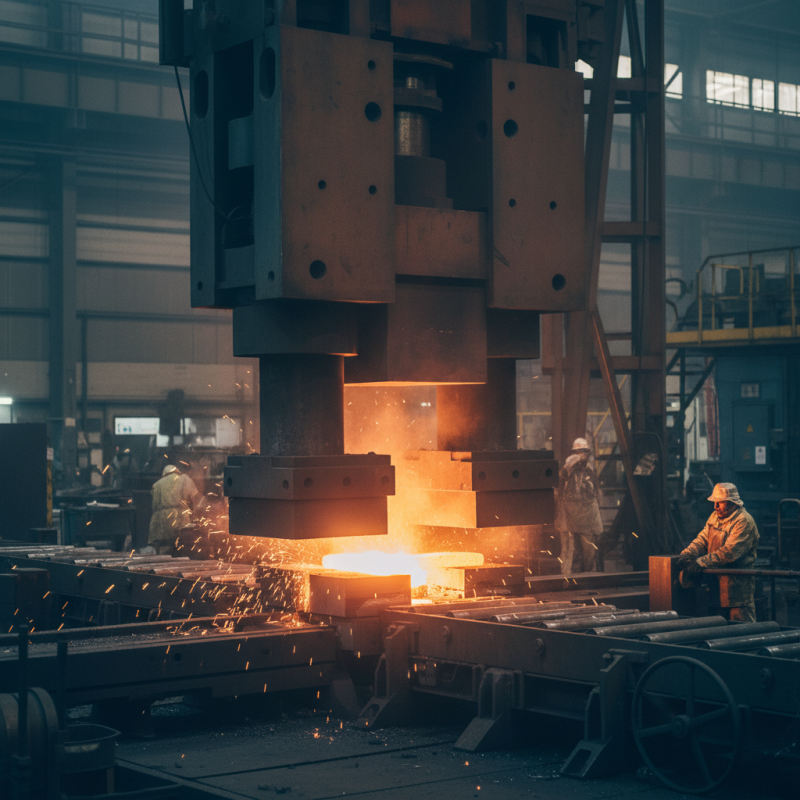
Metal forge is a crucial process in the manufacturing sector. It involves shaping metal using heat and pressure. This practice dates back centuries, evolving with technology. Today, it is vital for producing various metal components in industries like automotive, aerospace, and construction.
In manufacturing, metal forging enhances product strength. The process aligns the grain structure of the metal. This provides improved durability and resistance to wear. Additionally, forgings are often more reliable than cast parts. They can withstand heavy loads without breaking. However, not all forging methods will suit every application. There is room for improvement in technique selection and process optimization.
Moreover, the integration of advanced technology is necessary. Automation and smart design can improve efficiency. Some companies face challenges in adopting these new systems. It requires investment and training. Understanding the full potential of metal forging remains a hurdle for many. Reducing waste during the process is another area needing attention. The balance between cost and quality is essential for success.
Key Processes Involved in Metal Forging and Their Applications
Metal forging is a crucial manufacturing process that offers a range of benefits for various industries, including automotive, aerospace, and construction. The process involves shaping metal through localized compressive forces, typically delivered by a hammer or a die. This technique produces components with enhanced strength and durability. Studies show that forged components typically exhibit 20-30% higher tensile strength compared to their cast counterparts.
Key processes in metal forging include open-die forging, closed-die forging, and impression-die forging. Open-die forging allows for large metal pieces to be shaped freely, often resulting in less precision than other methods. In contrast, closed-die forging provides tighter tolerances, making it ideal for parts like gears and axles. Forged products can deliver superior performance in demanding conditions. Around 80% of components used in critical applications, such as airplanes, are forged parts.
The application of metal forging also expands into emerging technologies, such as 3D forging. This technique merges traditional forging principles with modern design, offering more complex shapes. Yet, while advancements are promising, challenges remain in terms of cost and scalability. Many companies still face high startup costs when integrating new forging technologies. Maintaining a balance between innovation and cost-effectiveness is essential for businesses aiming to thrive in this sector.
Advantages of Utilizing Metal Forge for Business Growth and Efficiency
Metal forge technology has become crucial for modern businesses looking to enhance their operations. By employing metal forging techniques, companies can achieve stronger and more durable components, leading to increased efficiency. The process of shaping metal under pressure allows for precise designs that maintain structural integrity. This not only reduces waste but also decreases overall production costs.
One of the key advantages is the potential for significant time savings. Metal forging processes can streamline production by minimizing the number of steps needed to achieve the final product. Moreover, when businesses opt for forging, they often witness improved lead times. A well-implemented metal forge system can double output in some cases.
Tips for optimizing your metal forging process include regular maintenance of machinery to ensure optimal performance. It might be beneficial to invest in training your workforce on the latest forging techniques. Understanding metal properties can also help tailor the forging process to your specific needs. However, it’s essential to critically evaluate existing methods and avoid complacency. Continuous improvement is the path to greater business success.
What is Metal Forge and How Does It Benefit Your Business? - Advantages of Utilizing Metal Forge for Business Growth and Efficiency
| Dimension | Explanation | Benefits |
| Improved Efficiency | Streamlined production processes through automated machinery. | Reduced production time and lower operational costs. |
| Customization | Ability to create tailored metal products based on client specifications. | Enhanced customer satisfaction and loyalty. |
| Quality Control | Implementing rigorous testing procedures to ensure product standards. | Minimized defects and improved product reliability. |
| Cost Effectiveness | Reduction in waste and materials cost through efficient practices. | Increased profit margins and competitive pricing. |
| Innovation | Adoption of new technologies in metal fabrication. | New product development and market expansion opportunities. |
How Metal Forge Enhances Product Quality and Durability
Metal forging is a manufacturing process that shapes metal through deformation. This technique enhances product quality significantly. It ensures greater density, which improves strength and durability. For many industries, such as automotive and aerospace, these benefits are critical. Products made through metal forging can withstand extreme conditions, making them ideal for harsh environments.
Enhanced durability is a key feature of forged products. The forging process aligns the metal's grain structure, resulting in superior toughness. This means products are less likely to bend or break under pressure. However, not all operations may maintain strict quality controls. Some could overlook necessary testing, leading to inconsistencies.
Quality assurance is essential in metal forging. Skilled labor and precise machinery are necessary to achieve the best results. Investing in training and technology can help prevent faults. While the process itself is proven, the human and technical elements need constant attention. Companies must remain vigilant to ensure that the benefits of metal forging are fully realized. Each product should be a testament to the quality that customers expect.
Impact of Metal Forging on Product Quality and Durability
Choosing the Right Metal Forge Partner for Your Business Needs
When selecting a metal forge partner, understanding your business needs is essential. A survey by the Manufacturing Institute indicated that 79% of manufacturers acknowledge the importance of reliable suppliers. A strong partnership can enhance quality and production efficiency. It’s vital to assess the partner’s technical capabilities. Look for certifications that demonstrate expertise. A forge that meets industry standards showcases commitment to quality.
Experience plays a crucial role in metal forging. Companies with at least a decade in the industry tend to have refined processes. They are often better equipped to handle complex projects. According to a report by the Fabricators and Manufacturers Association, 56% of businesses reported improved product outcomes by choosing experienced forgings. Examine past projects and client testimonials carefully. This helps ensure the selected partner aligns with your specific requirements.
Not every forge might meet expectations. Challenges can arise with delivery times and communication. A reliable partner should prioritize transparency. Open lines of communication foster trust. Consider starting with a small project to evaluate compatibility. This trial approach can uncover potential issues before a full-scale commitment. Making informed choices about your metal forge partner can significantly impact your business's success.

 More
More