How to Choose the Right Reducing Valve for Your Needs?
Choosing the right reducing valve can be challenging. Experts suggest that a poorly chosen valve can lead to inefficiency. John Smith, a renowned expert in fluid control systems, once stated, “The right reducing valve is crucial for maintaining pressure consistency.”
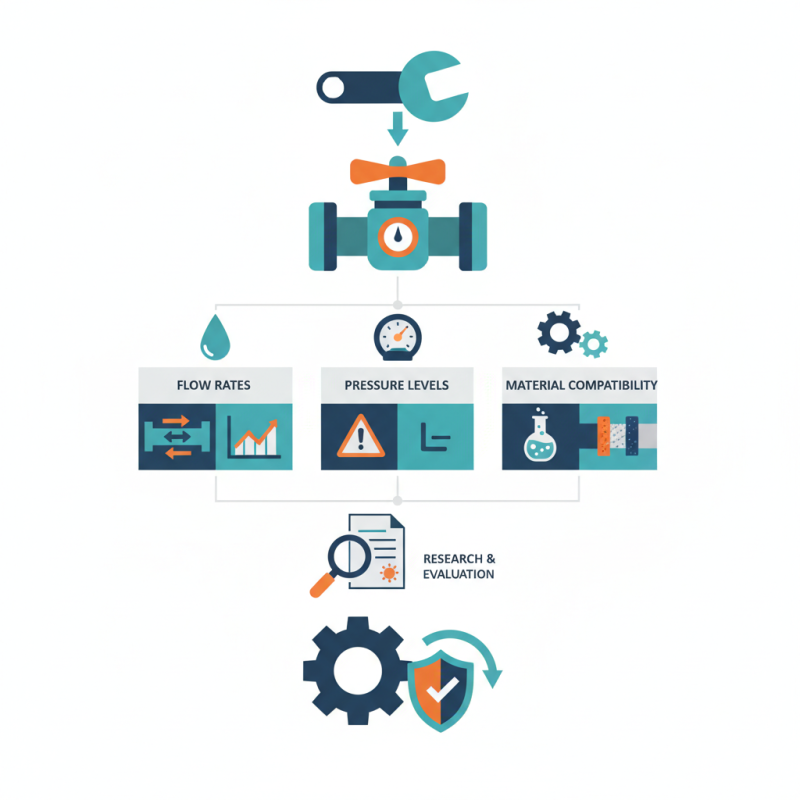
Selecting a reducing valve impacts your entire system. You must consider flow rates, pressure levels, and material compatibility. A mismatch may result in leaks or excess wear. Many users overlook these details. Proper research is essential.
In practice, many still struggle to find the perfect match. They often settle for the first option, which may not be ideal. It’s important to reflect on the needs of your system. Take time to evaluate your choices thoroughly. Each application is unique, and so is the need for the right reducing valve.
Understanding the Function of Reducing Valves in Fluid Systems
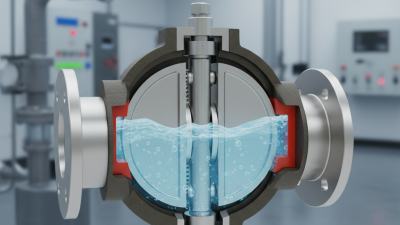
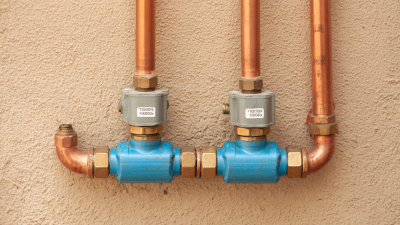
Reducing valves play a vital role in fluid systems. They regulate pressure by reducing the incoming high pressure to a lower, controlled output. This is crucial in various applications, from water supply to industrial processes. When water flows through a reducing valve, it becomes more manageable and safer for use.
In a fluid system, a reducing valve ensures that equipment operates efficiently. Without it, high pressure could cause damages or leaks. For example, in a home plumbing system, if the pressure is too high, pipes might burst. A reducing valve can prevent such disasters by maintaining a steady, lower pressure.
Choosing the right reducing valve requires understanding your specific needs. Factors like fluid type, flow rate, and pressure requirements must be considered. Sometimes, users may overlook these details. It’s easy to underestimate pressure needs, which could lead to inefficiencies.
Measuring your system accurately can help avoid potential pitfalls. Making informed decisions is essential for optimal function.
Identifying Your Application Requirements for a Reducing Valve
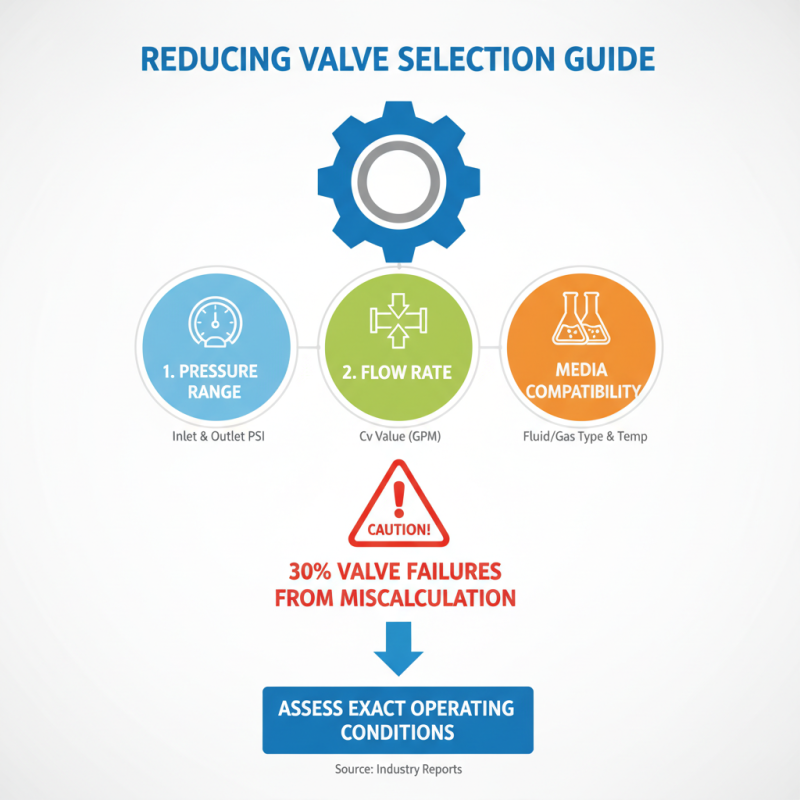
When selecting a reducing valve, identifying application requirements is crucial. Different applications demand specific pressure ranges, flow rates, and media compatibility. According to industry reports, over 30% of valve failures stem from miscalculating these requirements. It’s vital to assess the exact operating conditions before making a choice.
You should consider the type of media handled. Gases, liquids, and vapors behave differently under pressure. Each has unique properties that affect how the valve performs. For example, a study found that valves in gas applications faced a higher failure rate when not rated for that medium. Learn about the viscosity and temperature of your media, as they play a significant role.
Lastly, evaluate the flow rate. High flow rates can cause turbulence and pressure drops, leading to inefficiencies. Data suggests that improper flow management can waste up to 20% of energy in systems. Ensure the valve can maintain stability under the expected flow conditions. Realigning your choices based on these factors could enhance system performance significantly.
Evaluating Key Specifications: Pressure Ratings and Flow Capacity
Choosing the right reducing valve requires careful consideration of key specifications. Pressure ratings and flow capacity are two critical factors. According to industry reports, pressure ratings typically range from 10 to 150 psi for general applications. It's essential to match the valve to your system's requirements to avoid operational failures.
Flow capacity is equally important. It determines how much fluid can pass through the valve at a given time. Valves are often rated in gallons per minute (GPM) or liters per minute (LPM). A report by the Fluid Control Association indicates that selecting a valve with a capacity that exceeds your needs can lead to inefficiencies. Oversized valves may not regulate pressure effectively, leading to unstable flow.
In practical terms, understanding your specific situation is key. Think about the operating environment. Is it consistent or variable? Remember, not all valves perform optimally under every condition. Regular evaluations of pressure and flow can lead to improved performance. This ongoing process can help identify any discrepancies in your setup. Consider these details before making a selection to ensure long-term success.
Pressure Ratings and Flow Capacity of Reducing Valves
Selecting Materials and Design Features for Durability and Efficiency
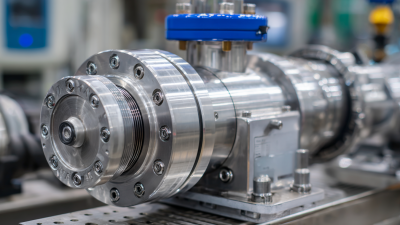
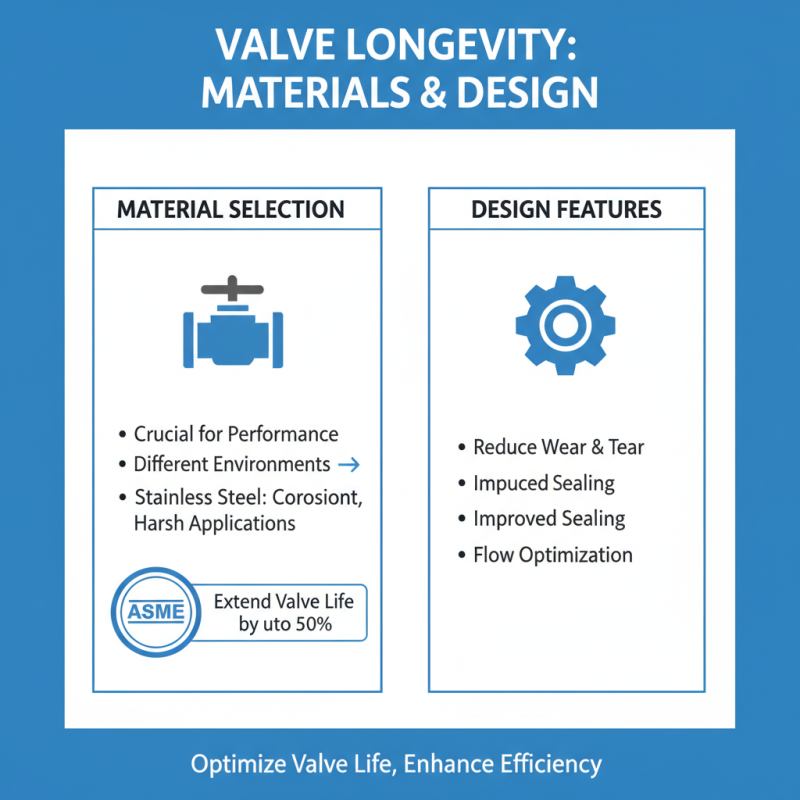
Selecting materials and design features for reducing valves is crucial for performance and longevity. Different environments demand specific materials. For instance, stainless steel offers excellent corrosion resistance, making it suitable for harsh applications. According to the American Society of Mechanical Engineers (ASME), proper material selection can extend the life of a valve by up to 50%.
Design features also play a significant role. A compact design can enhance efficiency by saving space. However, an overly compact valve may compromise on ease of maintenance. A good balance must be struck between size and serviceability. Reports suggest that nearly 40% of maintenance issues arise from design flaws. This highlights the need for thoughtful engineering in valve design.
Moreover, efficiency is not just about materials or design. It involves understanding operational conditions. Data shows that valves exposed to extreme temperatures may require specialized sealing materials. Failing to consider this can lead to leaks or failures, affecting system performance. Reflection on past selection mistakes can guide better choices in future projects.
Installation and Maintenance Tips for Your Reducing Valve
When installing a reducing valve, it’s essential to follow the manufacturer's guidelines. Most valves need proper positioning. Ensure they are installed in a horizontal position. This prevents moisture buildup and allows for smooth flow. Use appropriate fittings to avoid leaks. Tighten all connections firmly but do not overtighten.
Regular maintenance is crucial. Check the valve periodically for any signs of wear. Look for leaks or unusual noises during operation. If you notice fluctuations in pressure, it could indicate an issue. Cleaning the valve regularly can prevent buildup. Sometimes, simply replacing a seal can solve problems.
Don't overlook minor issues. Small leaks can lead to bigger problems over time. If unsure, consult a professional. Each installation may present unique challenges. Take time to assess specific needs and conditions. This careful consideration can prevent headaches and costly repairs later.
How to Choose the Right Reducing Valve for Your Needs? - Installation and Maintenance Tips for Your Reducing Valve
| Feature |
Description |
Installation Tips |
Maintenance Tips |
| Pressure Range |
Select a valve that can handle the maximum inlet pressure of your system. |
Ensure proper alignment with the pipeline during installation. |
Regularly check for leaks and seal wear. |
| Material |
Choose the right material based on the fluid type and temperature. |
Use appropriate gaskets and seals for a tight fit. |
Inspect for corrosion or degradation over time. |
| Flow Rate |
Ensure the valve can meet the required flow rate for your application. |
Install at the recommended orientation for optimal flow. |
Monitor flow rates periodically to ensure performance. |
| Adjustment Mechanism |
Consider if you need a manual or automatic adjustment mechanism. |
Follow manufacturer guidelines for adjustments. |
Recalibrate as needed based on system demands. |

 More
More