How to Choose the Best Machine Lube Oil for Your Needs?
Choosing the right Machine Lube Oil can significantly impact equipment performance and lifespan. According to John Davis, a renowned lubrication specialist, "Selecting the correct oil is critical for optimal machinery operation." This statement underscores the importance of informed decision-making in the industry.
Machine Lube Oil comes in various types, each designed for specific applications and environments. For instance, synthetic oils offer superior performance in extreme temperatures. Mineral oils, on the other hand, are often more cost-effective for routine use. No single type fits all scenarios. Professionals must assess their equipment’s needs carefully.
Mismatching the oil with equipment specifications can lead to serious issues. Insufficient lubrication can cause wear and tear, leading to costly repairs or downtime. It is essential to consider factors like the operating environment and the manufacturer’s recommendations. Using the right Machine Lube Oil not only enhances efficiency but also promotes longevity and reliability in machinery. This decision deserves thoughtful evaluation and expertise.
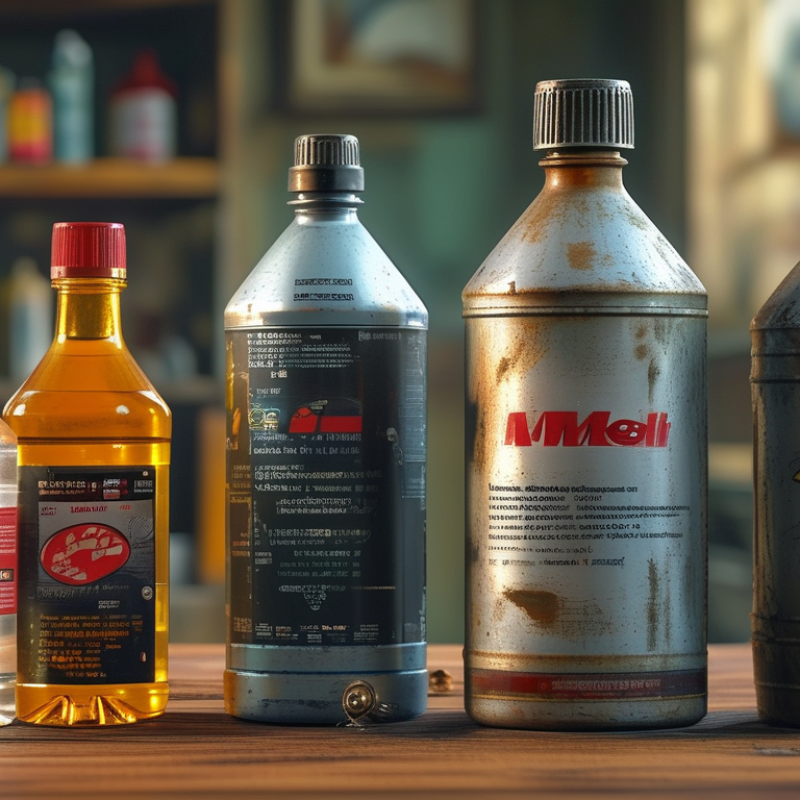
Understanding the Basics of Machine Lube Oil Types
Understanding machine lube oil is essential for equipment longevity. There are various types of lube oils, each designed for specific applications. Generally, synthetic oils offer higher performance than mineral oils. They provide better thermal stability and flow at low temperatures. However, they can be more expensive.
It's important to consider the viscosity of the oil. Viscosity affects how well the oil flows under different temperatures. Higher viscosity oils can provide better protection but may also cause increased friction in cooler conditions. Too thick of an oil can lead to poor circulation, risking engine damage. Users should perform regular checks to ensure optimal viscosity is maintained.
In many cases, the right oil is based on specific machinery requirements. Operating conditions, such as temperature and load, play significant roles. While it can be tempting to choose the cheapest option, this might not be the most reliable choice. Regularly reviewing lubrication needs is crucial. Misunderstanding these fundamentals can lead to costly mistakes.
Machine Lube Oil Types and Their Applications
This bar chart illustrates various types of machine lube oils along with their recommended applications rated on a scale from 1 to 10. Synthetic oils tend to be the most versatile and effective across different machinery, while mineral oils still hold significant usage in various applications.
Assessing the Operating Conditions for Your Equipment
When selecting machine lube oil, assessing operating conditions is crucial. Different environments demand unique lubrication solutions. For instance, high-temperature machinery may require oils with superior thermal stability. Low-temperature setups, on the other hand, benefit from lighter viscosity oils that flow easily.
Consider the type of equipment in operation. Heavy machinery often experiences high pressure and shear. Therefore, oils designed to withstand these stresses are essential. They minimize wear and enhance equipment longevity. Conversely, lighter machinery may not exert the same pressures, allowing for a broader range of lubrication choices.
Remember, not all oils suit all conditions. Reflecting on past experiences with lubrication failures can be beneficial. Analyzing why certain oils didn’t perform well can provide insights into better choices. Evaluating operational demands regularly ensures that the selected lube oil continues to meet your equipment's needs efficiently.
Evaluating Viscosity and Additive Requirements
When choosing machine lube oil, evaluating viscosity is crucial. Viscosity indicates how easily oil flows under different temperatures. High viscosity oils are thicker and perform well in high-temperature environments. In contrast, lower viscosity oils flow easily, ensuring quick lubrication. Therefore, match oil viscosity to the equipment and its operating conditions.
Additive requirements also play a significant role. Additives enhance oil performance, improving properties like oxidation resistance and thermal stability. Some machines might require specific additives to prevent wear or corrosion. Understanding the needs of your equipment helps in selecting the right oil blend.
It's not always straightforward. Users may assume their machines require the same oil. This can lead to inefficiencies or damage. Regularly review the equipment’s manual for guidance. Consult with experts if unsure. The right choice can extend equipment life and improve overall performance.
Identifying Manufacturer Specifications and Recommendations
Choosing the right machine lube oil can be daunting. Manufacturer specifications play a crucial role in selecting the best oil for your equipment. Always consult the user manual before making a decision. This document outlines the type and viscosity of oil needed for your specific machine. Ignoring these guidelines could lead to performance issues or even equipment damage.
When selecting lube oil, consider the operating environment. Extreme temperatures or high humidity may require specialized formulations. Keep a close eye on the oil's additive package. It should align with the recommendations in your manual. Regularly checking the oil's condition can save you from costly repairs.
Tips: Keep an eye on oil color and viscosity regularly. Darkening oil indicates contamination. Pay attention to any unusual noises from machinery. This may signal inadequate lubrication. Finally, if you're unsure, seek advice from professionals. They can provide insights tailored to your specific needs.
How to Choose the Best Machine Lube Oil for Your Needs?
| Parameter | Value |
| Viscosity Grade | ISO VG 32 |
| Base Oil Type | Mineral Oil |
| Additives | Anti-wear, Anti-oxidant |
| Operating Temperature Range | -20°C to 100°C |
| Application | Hydraulic Systems |
| Packaging Options | 20L Drum, 200L Drum |
| Shelf Life | 5 Years |
| Color | Clear to Light Yellow |
Comparing Cost-Effectiveness of Different Lube Oil Brands
Choosing the right machine lube oil is crucial for optimal performance and longevity of equipment. When comparing cost-effectiveness, one must consider not just price but also quality and performance metrics. According to a report by the American Society of Mechanical Engineers, investing in higher-quality lube oils can lead to a 20-30% reduction in machinery maintenance costs over time. This suggests that cheaper alternatives may not always yield savings, especially when considering potential downtime and repairs.
Another factor is the oil's viscosity. The Society of Tribologists and Lubrication Engineers notes that using the incorrect viscosity can lead to increased wear and energy consumption. Some brands may advertise lower prices, but if their oil leads to more repairs, the long-term costs skyrocket. Cost-effective choices must balance upfront pricing with performance and durability.
Tips: Always check the specifications and certifications of lube oils. Finding a product that meets industry standards can save money in the long run. Also, consider the environmental impact and whether the product is recyclable, which may reduce waste disposal costs. Regularly reviewing oil performance can also highlight if it’s time to switch brands or products.

 More
More