Why Choose a Butterfly Check Valve for Your System?
In the fluid handling industry, selecting the right components is crucial. The butterfly check valve stands out among various options. Industry expert John Smith states, “Butterfly check valves enhance efficiency and reliability in fluid systems.” This highlights their importance in modern applications.
Butterfly check valves are designed for quick response and minimal pressure drop. They prevent backflow effectively, safeguarding systems from potential damage. However, it’s essential to choose the right model for your specific needs. Some users report difficulties with installation or maintenance, which may require careful consideration.
While butterfly check valves offer numerous benefits, they also have limitations. For instance, they may not perform optimally in all fluid types. Understanding these nuances can lead to better decision-making. Achieving the best results requires balancing efficiency and practicality in your system.
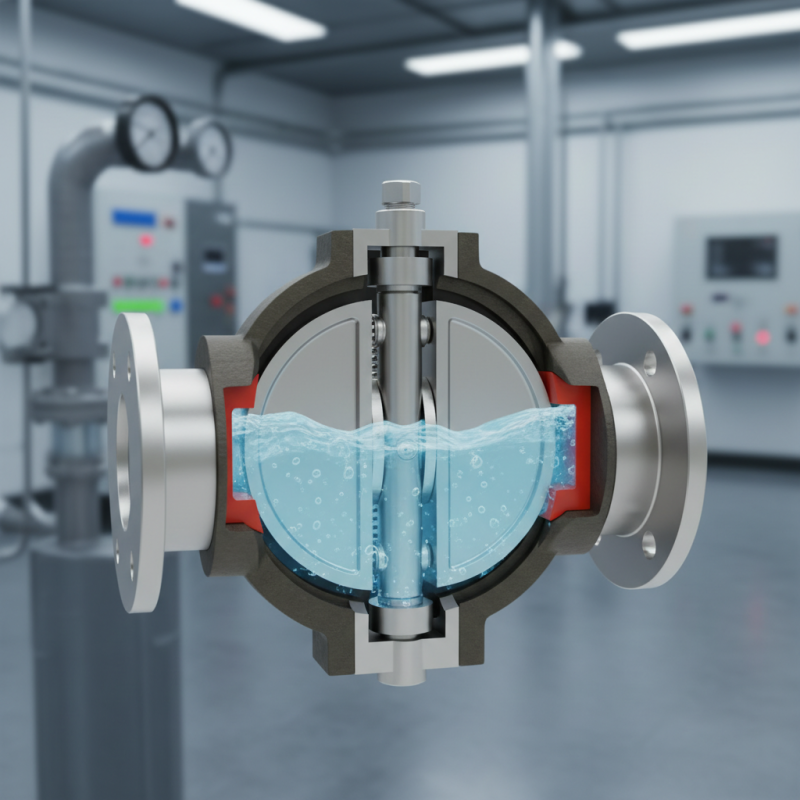
Overview of Butterfly Check Valves and Their Functionality
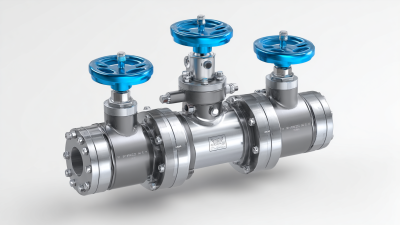
Butterfly check valves are essential components in piping systems. They effectively prevent backflow and control flow direction in various applications. These valves employ a simple yet efficient disc design, which allows them to seal tightly with minimal pressure loss. According to a report by the Global Valve Market Analysis, butterfly valves account for around 35% of the total valve market due to their versatility and cost-effectiveness.
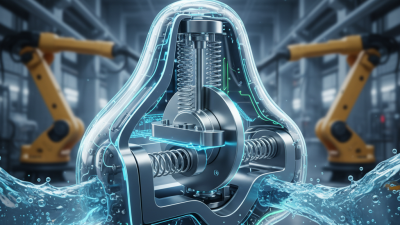
The functionality of butterfly check valves is based on their rotating disc. When fluid flows in the correct direction, the disc opens to allow passage. If flow reverses, the disc swings shut, preventing backflow. This mechanism is particularly useful in water treatment and petrochemical industries, where backflow can lead to contamination or downtime. However, the initial installation requires precise alignment to ensure optimal performance, which can be a challenge in some systems.
Data from industry studies suggest that improper installation can lead to frequent valve failures. This raises concerns about maintenance and operational efficiency. Although butterfly check valves are robust, they may not always be suitable for high-pressure scenarios. Operators need to consider the specific requirements of their systems when choosing these valves to avoid long-term issues. Understanding their limitations is crucial for effective system design and implementation.
Benefits of Butterfly Check Valves
This bar chart illustrates the various advantages of butterfly check valves, including low pressure drop, compact design, cost-effectiveness, quick response time, and ease of maintenance. Each factor is rated on a scale of 0 to 100, highlighting the benefits that make butterfly check valves a suitable choice for fluid and gas systems.
Key Advantages of Using Butterfly Check Valves in Systems
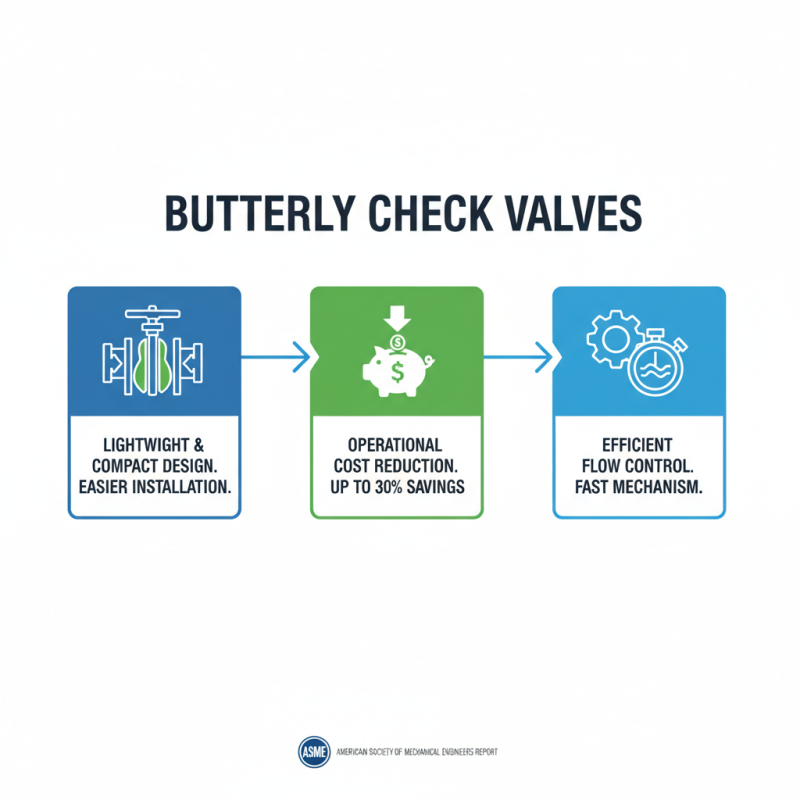
Butterfly check valves are increasingly popular in various systems. Their lightweight design and compact structure make installation easier. According to a report from the American Society of Mechanical Engineers, these valves can reduce operational costs by up to 30%. This efficiency stems from their simple mechanism, allowing for fast flow control.
One of the key advantages is their quick response time. Data suggests that butterfly check valves can open and close in seconds, minimizing the risk of backflow. This responsiveness helps protect the system from cavitation damage. However, not all systems may benefit equally. In some high-pressure settings, these valves may struggle to maintain performance. Regular maintenance might be necessary to ensure optimal functionality.
Another factor to consider is the material composition. Many butterfly check valves are made from corrosion-resistant materials, according to a report by the Valve Manufacturers Association. This ensures durability and longevity even in harsh conditions. Still, if not chosen carefully, they can pose risks in extreme environments. Understanding each system's specific needs will guide effective implementation.
Comparative Analysis: Butterfly Check Valves vs. Other Valve Types
When comparing butterfly check valves to other types, several key factors come into play. Butterfly check valves offer unique benefits in fluid dynamics. They feature a lightweight, compact design that enhances flow efficiency. According to industry reports, these valves can reduce weight by up to 60% compared to traditional gate or ball valves. This advantage is crucial for systems where space and weight are critical.
Cost-effectiveness is another significant factor. Butterfly check valves typically have lower operational costs. Studies show that maintenance costs are reduced by approximately 30% over time. However, their performance greatly depends on proper installation. Misalignment during setup can lead to issues. This often results in increased wear and reduced lifespan. In critical applications, this is a risk that shouldn't be overlooked.
In terms of pressure ratings, butterfly check valves generally handle lower pressures than other valve types. While they excel in lower-pressure situations, they may not perform as well under high pressure. This could lead to potential failures in demanding applications. Thus, careful consideration of system requirements is essential before choosing the appropriate valve type.
Applications of Butterfly Check Valves in Various Industries
Butterfly check valves are gaining traction across various industries. Their light weight and compact design make them ideal for tight spaces. In the water treatment sector, these valves help regulate flow and prevent backflow. They are essential in maintaining efficient operation.
In the oil and gas industry, butterfly check valves prevent oil from leaking back into the system. They often feature a simple mechanism, which contributes to a lower failure rate. However, maintenance can pose challenges, particularly in high-pressure environments.
The food and beverage sector also benefits from these valves. They ensure that products flow correctly through processing lines. Their quick response time minimizes product loss, yet they might require frequent cleaning. Flaws in design can sometimes affect usability.
Installation and Maintenance Best Practices for Butterfly Check Valves
When it comes to installing butterfly check valves, proper procedures matter. Start by ensuring the installation site is clean and factors like alignment are correct. An improper alignment can lead to leaks and system failure, a costly mistake. Use the correct tools for tightening bolts to avoid overtensioning. This can distort the valve body.
Maintenance is equally crucial. Regular inspections help catch issues early. Check for signs of wear and tear, corrosion, or any obstruction that could hinder operation. Cleaning the valve periodically can prevent buildup. A dirty valve compromises efficiency. Take note of unusual noises or vibrations during operation; these may signal a problem that requires immediate attention.
Documentation plays an important role. Keep a log of maintenance and inspections. This helps track patterns and recurring problems. Reflect on these records. Do they reveal weaknesses in your system? Use this information to proactively address issues before they escalate.
Why Choose a Butterfly Check Valve for Your System? - Installation and Maintenance Best Practices for Butterfly Check Valves
| Feature |
Description |
Benefits |
Maintenance Tips |
| Design |
Compact and lightweight structure |
Reduces installation space and weight on systems |
Regularly inspect for buildup and corrosion |
| Operation |
Quick opening and closing action |
Minimizes flow disruption and pressure loss |
Test functionality periodically to ensure operability |
| Materials |
Available in various materials (PVC, stainless steel) |
Flexible applications across different industries |
Choose material according to the fluid type and temperature |
| Installation |
Requires proper alignment and spacing |
Ensures optimal performance and longevity |
Follow manufacturer guidelines for installation procedures |
| Applications |
Suitable for water, wastewater, and chemical processes |
Versatile use in numerous sectors |
Review application compatibility routinely |

 More
More