What is an Adjusting Rod and How Does it Work?
An Adjusting Rod plays a crucial role in various mechanical systems. It is often used to fine-tune equipment for optimal performance. The rod acts as a link, connecting different components. This connection allows for precise adjustments.
Understanding how an Adjusting Rod works can improve efficiency. The rod can change the length, allowing devices to operate effectively. It’s often made from durable materials to ensure longevity. However, its maintenance can sometimes be overlooked.
People may struggle with the process of adjustment. Incorrect use can lead to unwanted machine behavior. Recognizing the importance of proper handling is essential. The Adjusting Rod is simple yet vital in many applications, making awareness of its function crucial for users.
What Is an Adjusting Rod?
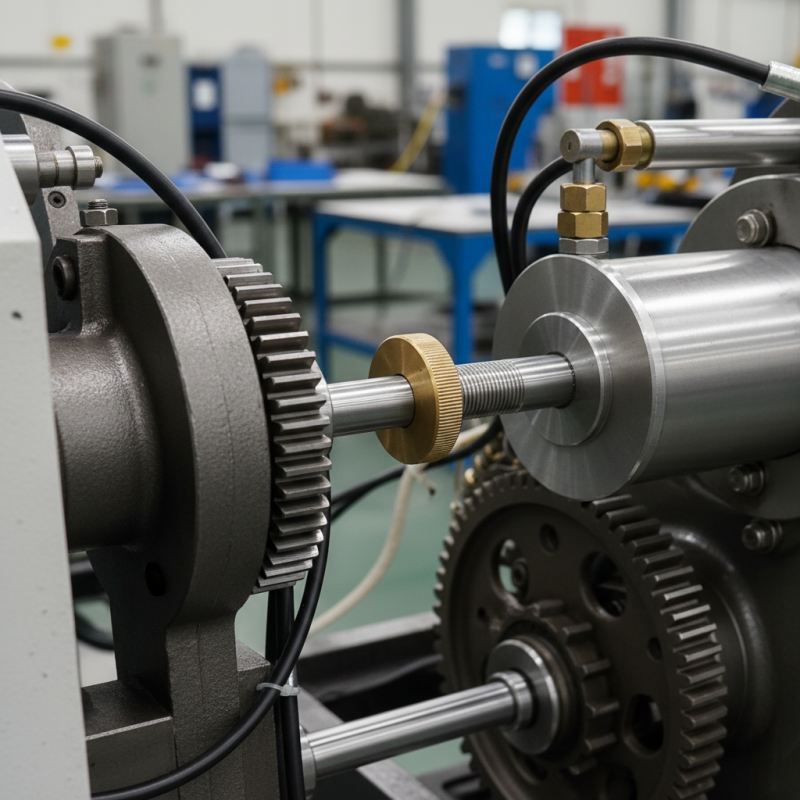
An adjusting rod is a crucial component in various mechanical systems. It serves to connect parts while allowing for precise adjustments. This flexibility is essential for achieving optimal performance and alignment. The rod is often made of durable materials, ensuring strength and stability.
When dealing with an adjusting rod, it's important to consider the tension. The right tension can greatly affect its functionality. An overly tight adjustment may lead to damage, while a loose setup can cause inefficiency. Pay attention to how the rod fits within its designated system. A misalignment can lead to excessive wear and tear.
**Tip:** Regularly inspect the adjusting rod for signs of wear. Look for any bending or fraying. Addressing these issues early can prevent larger problems down the line.
Another key aspect is the adjustment mechanism itself. Some rods use manual adjustments, while others may be automated. The ease of adjustment can make a significant difference. Complicated systems can lead to frustration. Aim for straightforward designs whenever possible.
**Tip:** Keep your tools nearby. Having the right equipment makes adjustments simpler. This can save you time and effort in the long run. Understanding your adjusting rod's environment can lead to better performance. Revisit your setup periodically for improved results.
The Purpose and Importance of Adjusting Rods
Adjusting rods play a crucial role in various applications, often found in machinery and structures. Their primary purpose is to help maintain balance and alignment. This is vital for ensuring optimal performance and safety. An adjusting rod can compensate for wear or changes in conditions over time.
In operation, these rods can be fine-tuned, allowing for precise adjustments. For example, in a building, they can help align structural elements. If not properly maintained, misalignment can lead to costly repairs. Adjusting rods also promote efficiency in equipment operation. They allow for better handling of loads and stress.
However, the importance of adjusting rods goes beyond mechanics. They require regular attention and, at times, recalibration. Neglecting this can result in hidden inefficiencies. It’s essential to understand their role in the bigger picture. Recognizing their significance can enhance performance but also leads to necessary reflections on best practices in maintenance.
How Adjusting Rods Function Mechanically
Adjusting rods play a crucial role in many mechanical systems. They serve as a means to fine-tune components within various machinery. By adjusting the length or position, these rods help achieve the desired alignment or tension. This ensures that all parts work together smoothly and efficiently.
Mechanically, adjusting rods function through simple principles. They can be threaded, allowing for easy adjustments. Turning the rod can increase or decrease its length. This flexibility is vital in applications like vehicle suspensions or door alignments. Sometimes, adjustments may not yield the expected results, leading to further tweaking. However, small changes can have significant impacts. A slight misalignment might seem trivial but can lead to larger issues.
Observations during use shed light on their performance. A rod that appears sturdy might twist under pressure. Regular checks reveal if it maintains the desired tension. In environments with vibrations, rods can loosen over time. It's essential to monitor these elements. Small imperfections can lead to failures. Understanding these nuances helps enhance mechanical designs and functionality. Adjusting rods might seem simple, yet the intricacies of their operation demand attention.
Applications of Adjusting Rods in Various Industries
Adjusting rods are versatile tools used across various industries. They play a crucial role in achieving precise alignment and measurement. In manufacturing, they help set machinery and equipment at the correct heights. This ensures optimal performance and reduces wear over time.
Tip: Regularly inspect your adjusting rods for wear. Even minor damage can lead to inaccurate measurements.
In construction, adjusting rods assist in leveling foundations and frames. Builders find them invaluable when making adjustments to ensure structural integrity. They can also be used in landscaping, where precise grading is essential. A small error can lead to significant issues later on.
Tip: Train employees on the correct use of adjusting rods. Proper training helps avoid common mistakes and improves overall productivity.
In the automotive industry, adjusting rods aid in aligning parts accurately. This ensures the assembly lines run smoothly. It’s vital for safety and efficiency. However, workers must remember that improper use can cause setbacks. A careful approach is always needed.
Common Issues and Maintenance Tips for Adjusting Rods
Adjusting rods are critical components in various machinery, providing structural support and stabilizing movement. However, they can encounter several common issues that require attention. For instance, wear and tear can lead to misalignment, which affects overall machine performance. According to industry reports, about 30% of adjusting rod failures are due to inadequate maintenance. Regular inspection is essential to catch problems early.
Another frequent issue involves corrosion, especially in humid or corrosive environments. Corroded rods can compromise structural integrity, leading to potential safety hazards. One survey indicated that 25% of machinery accidents occur due to such failures. Implementing a consistent maintenance schedule, including lubrication and anti-corrosion treatments, can significantly extend the life of adjusting rods.
A common oversight is neglecting to check fasteners associated with the adjusting rods. Loose or damaged fasteners can lead to unstable operations. About 20% of maintenance personnel report this oversight frequently. Simple visual inspections can identify issues before they escalate. Taking the time to maintain adjusting rods will ensure safety and reliability in machinery operation, but it requires diligence and thoroughness.

 More
More