
2026 Top Press Brake Innovations at the 139th Canton Fair?

The 139th Canton Fair in 2026 is set to showcase remarkable innovations in the manufacturing sector, particularly focusing on Press Brakes. This event will take place from April 15 to May 5, spanning across three distinct phases. Each phase targets a specific market segment, ensuring a wide array of technologies and products are highlighted.

Press Brakes are essential machines in metal fabrication. They bend and shape materials with precision. The inclusion of artificial intelligence at the Fair is a game changer. It allows buyers to efficiently navigate through 1.55 million square meters of exhibition space. This transformation emphasizes the necessity for speed and efficiency in today's competitive market.

However, while technology like AI promotes efficiency, there can be downsides. Not all exhibitors may fully embrace these innovations, risking stagnation. It's a crucial point for buyers to assess the capabilities of different Press Brake models. This Fair promises to be an excellent opportunity for industry professionals to reflect on their requirements and adapt to emerging trends. The future of Press Brake technology hinges on evolving demands and innovation.
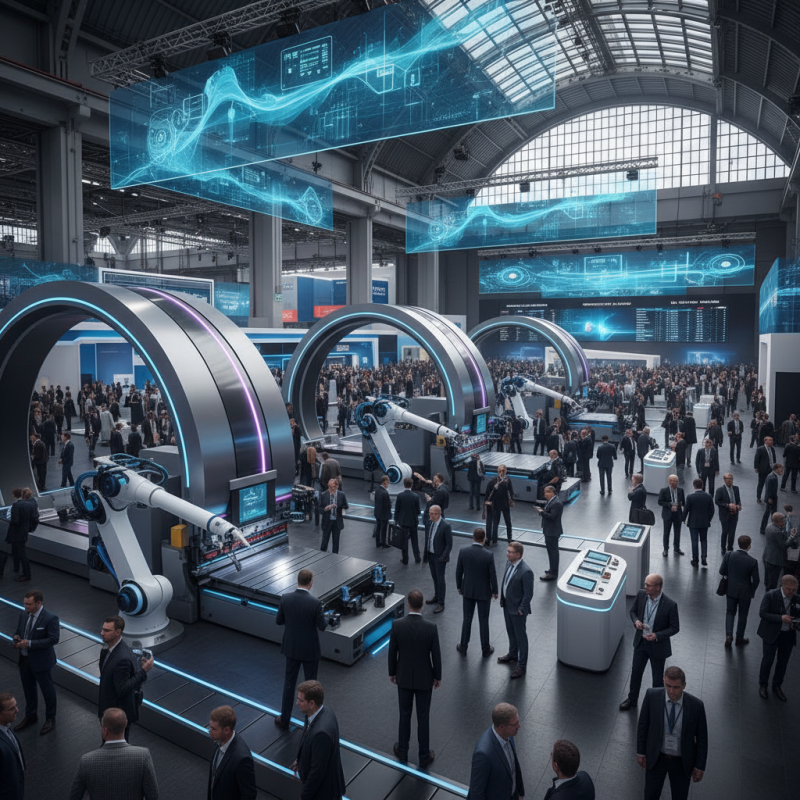
2026 Top Press Brake Innovations at the 139th Canton Fair?

2026 Canton Fair Overview: A Focus on Press Brake Innovations

The 139th Canton Fair is set to spotlight press brake innovations, showcasing advancements that redefine metalworking. The demand for high precision and efficiency in manufacturing is driving these innovations. According to industry reports, the press brake market is projected to grow by 4.2% annually until 2026. This highlights the importance of integrating cutting-edge technology in this sector.

One key area of focus will be automation. Automated press brakes improve production rates significantly. Reports indicate that fully automated systems can enhance productivity by up to 30%. This allows manufacturers to meet increasing demands without sacrificing quality. However, the transition to automation is not without challenges. Businesses must invest in training to ensure that their workforce can adapt.

**Tip:** Consider conducting a thorough evaluation of operational efficiency before implementing new technology. This ensures that innovations align with existing practices.

Sustainability is another crucial aspect. Many manufacturers are adopting eco-friendly materials and processes. Yet, the shift can be complex. A careful balance between innovation and sustainability is necessary. Industry statistics suggest that eco-conscious practices can reduce operational costs by up to 20%. Embracing these strategies may lead to long-term benefits.

**Tip:** Regularly assess your sustainability practices to identify areas for improvement in your manufacturing processes.

Key Technological Advancements in Press Brake Machinery for 2026

The 139th Canton Fair is a hub for the latest innovations in press brake machinery. In 2026, several technological advancements will redefine efficiency and precision. One significant trend is the integration of AI in press brake operations. This technology enhances accuracy. AI systems can predict maintenance needs, minimizing downtime.

Another area of innovation is the use of smart sensors. These sensors monitor the bending process in real-time. They provide instant feedback, allowing for adjustments on the fly. Operators can achieve better results with less trial and error.

Tips: When considering new machines, assess the software compatibility. New tech may require an upgrade to existing systems. Training your staff on these innovations is crucial. Help them adapt to changes smoothly. Emphasizing real user experiences can shed light on potential pitfalls. Gathering feedback is essential for ongoing improvement. Embrace the flaws. They can lead to the best solutions.

2026 Top Press Brake Innovations at the 139th Canton Fair

Innovation Feature Description Expected Impact Technology Type
Smart Control Systems Integration of AI for precision adjustments based on material type. Increased production efficiency and reduced waste. AI Technology
Hydraulic Systems Optimization Improved hydraulic fluid technology for faster action. Maximized production speeds with enhanced safety. Hydraulic Technology
Energy Efficiency Solutions Use of energy-efficient components to reduce consumption. Lower operational costs and environmental impact. Eco-friendly Technology
Modular Design Easier upgrades and maintenance through interchangeable modules. Reduced downtime and costs for spare parts. Design Innovation
Remote Monitoring Systems Real-time equipment health monitoring through IoT. Predictive maintenance and minimized unexpected failures. IoT Technology

Sustainability Trends Shaping Press Brake Innovations at the Fair

The 139th Canton Fair is set to showcase exciting trends in press brake innovations, particularly focusing on sustainability. As manufacturers aim to reduce their environmental impact, many are integrating eco-friendly materials. This shift is evident in numerous new designs. Innovations include energy-efficient hydraulic systems and recyclable components, which are gaining attention at the fair.

Attendees will observe technology that prioritizes minimal waste. Some machines feature adaptive controls that optimize energy consumption during operation. However, there are still challenges. Not all manufacturers fully understand these new technologies. Workshops and discussions will help bridge this gap. The balance of advancing technology while adhering to sustainable practices remains a crucial topic for many participants.

The emphasis on sustainability is transforming the landscape of press brakes. More exhibitors are highlighting green certifications and practices. Yet, some still rely on outdated methods. This creates an inconsistency in the industry’s progress. Visitors should engage actively and reflect on areas needing improvement. Embracing change may be slow, but the direction is clear—sustainability is shaping the future of press brakes.

Comparative Analysis of Leading Press Brake Brands Exhibiting at the Fair

At the 139th Canton Fair, innovation in press brakes took center stage. Industry reports indicate that the global demand for press brakes is projected to grow at a CAGR of 6.5% from 2023 to 2028. This growth reflects a significant shift in manufacturing processes, emphasizing automation and precision. The fair showcased several cutting-edge technologies aimed at enhancing productivity and efficiency.

Leading brands presented various press brake models featuring advanced CNC controls and adaptable tooling systems. Some models highlighted smart features integrating IoT for real-time diagnostics. Such advancements aim to reduce downtime and optimize machine performance. However, some attendees voiced concerns about the steep learning curve associated with new technologies. Balancing innovation and usability remains a challenge for many manufacturers.

Additionally, sustainability emerged as a key theme at the fair. Brands are increasingly focusing on energy-efficient systems to meet eco-friendly standards. Reports indicate that energy-efficient press brakes can reduce operational costs by up to 20%. Yet, some industry insiders question whether these emerging technologies can truly deliver on their sustainability promises amidst rising production costs. The dialogue at the fair reflects a critical need for clarity and accountability in adopting new technologies.

Future Prospects: What's Next for Press Brake Technology Post-Canton Fair

As the 139th Canton Fair concludes, the future of press brake technology looks promising. Manufacturers showcased innovative machinery that can bend metal with precision. High-speed automation and advanced control systems stood out. These innovations enhance efficiency in production, but they also pose questions about workforce shifts. Will skilled operators be needed, or will robots take over more roles?

The integration of artificial intelligence in press brakes sparks curiosity. Some machines can now predict outcomes and adjust settings automatically. This reduces material waste and improves accuracy. However, dependency on technology raises concerns. Can we trust machines to make critical decisions? The balance between human oversight and automation is fragile.

Sustainability is another pressing issue. The new models are designed to consume less energy and produce less waste. Yet, the challenge lies in the transition to sustainable practices. Many companies still rely on older machinery, which hampers progress. The path forward requires collaboration between innovators and traditional manufacturers. Changes are necessary, but the journey may be complex.