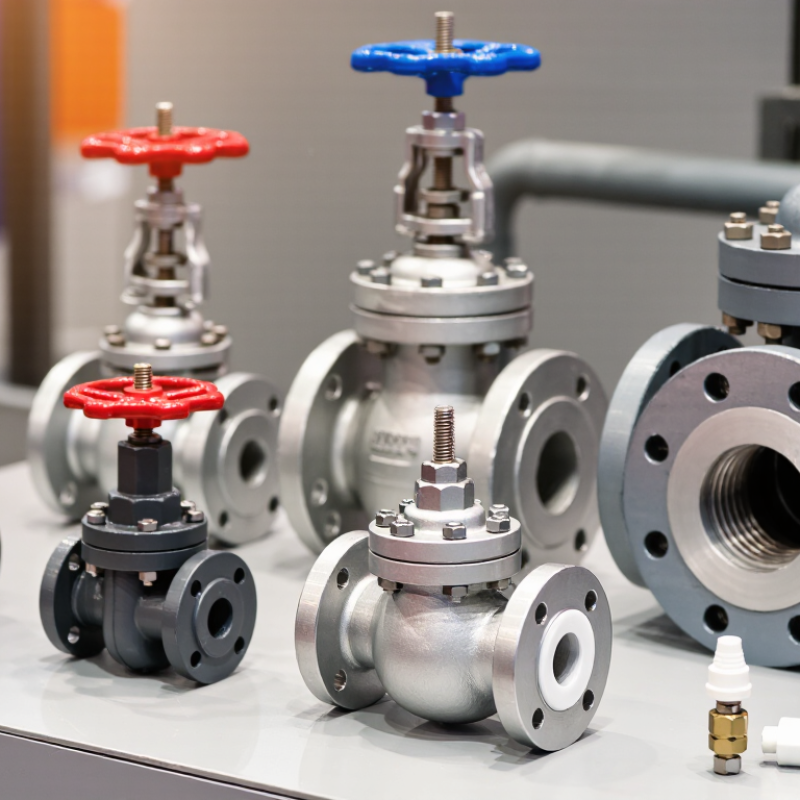
Choosing the right plug valve in 2026 requires more than comparing catalog prices. Global buyers must examine media, pressure, temperature, actuation, materials, and maintenance access. A valve that performs well in a clean water system may fail quickly with abrasive slurry or corrosive chemicals.
There is no universal best option. Not even close. This guide introduces the main plug valve types used across industrial, municipal, energy, and process applications. It compares lubricated, non-lubricated, eccentric, expanding, lined, and metal-seated designs. Each type brings practical advantages and limitations. For example, a PTFE-lined valve can offer strong chemical resistance, while a metal-seated design may better tolerate heat and solid particles. The details matter.
Reliable selection also depends on verified engineering data. Buyers should review pressure ratings, leakage classifications, flange dimensions, torque requirements, and applicable testing records. Material certificates and traceable inspection documents can reveal more than attractive product images. Supplier experience matters too, especially when valves operate in remote plants or harsh climates.
This overview follows practical purchasing concerns, not marketing language. It also recognizes an uncomfortable truth: published specifications may not reflect long-term field performance. Installation quality, cycling frequency, fluid cleanliness, and spare-part support can change the result. Careful buyers should question unclear claims and request application-specific recommendations. The goal is a clearer comparison of plug valve types, helping international purchasers balance safety, service life, compliance, and total operating cost in 2026.
A plug valve controls fluid flow with a rotating plug inside its body. The plug usually has a straight or reduced passage through its center. When the passage aligns with the pipeline, fluid moves through the valve. A quarter turn places solid plug material across the passage. Flow then stops.
The sealing surfaces carry most of the engineering responsibility. In lubricated designs, grease reduces friction and helps fill small surface gaps. Non-lubricated designs use engineered sleeves or carefully matched materials. Eccentric plug valves move the plug away from the seat before rotation, reducing rubbing during operation. This can improve service life in applications containing suspended solids. Operation is simple. Selection is not.
For global buyers, check the pressure-temperature rating, port size, body material, and seal compatibility. A valve for clean water may fail quickly with abrasive slurry or aggressive chemicals. Confirm the medium, temperature range, cycling frequency, and installation direction before ordering. In field maintenance, operators should inspect stem leakage, actuator travel, and unusual torque. A stiff handle is not a minor detail. It may signal corrosion, debris, or incorrect alignment.
The quarter-turn principle sounds universal, but real performance depends on details. A lower purchase price can hide higher maintenance costs. Certification and test records should match the actual valve configuration, not a similar model. Even experienced engineers can overlook thermal expansion in large pipelines. That mistake deserves a second review.
Plug valves use a rotating plug to control fluid flow. Their operating principle is direct and dependable.
A quarter-turn aligns the plug’s opening with the pipeline. Turning it sideways blocks the passage. This simple movement supports fast isolation during maintenance. However, torque can increase when solids, corrosion, or pressure affect the sealing surfaces.
Lubricated plug valves use injected sealant between the plug and body. The sealant reduces friction and helps restore sealing during service. They can suit high-pressure systems, but sealant selection requires careful temperature and chemical checks.
Non-lubricated plug valves use sleeves or coated surfaces instead. These designs reduce routine lubrication needs. Their sleeves may wear faster under abrasive flow. Small details matter.
Eccentric plug valves rotate away from the seat before opening. This reduces rubbing and operating torque. They often handle dirty fluids and may support controlled flow.
Sleeved plug valves provide smooth shutoff, especially where corrosion resistance matters. Tapered plugs can create strong sealing, while cylindrical plugs offer simpler alignment and lower wedging force.
Selection should consider pressure, temperature, media, actuation, and maintenance access. No selection is perfect.
A common field mistake is choosing by pipe size alone. I would recheck the expected solids content, because clean laboratory conditions rarely reflect production lines.
Choosing the best plug valve starts with the process, not the catalog page. Lubricated plug valves work well in high-pressure services requiring smooth operation and reliable sealing. Non-lubricated designs reduce maintenance for clean fluids and moderate temperatures. Sleeved plug valves provide tight shutoff in many chemical and water applications. However, sleeve material must match the fluid, temperature, and pressure.
Eccentric plug valves often suit wastewater, sludge, and abrasive media. Their offset plug reduces rubbing during operation. Metal-seated versions handle higher temperatures and harsher particles, but they may allow slightly more leakage than resilient seats. Full-port designs support lower pressure loss and easier pipeline cleaning. Multiport valves help redirect flow, yet their control logic requires careful review. A common mistake is choosing by valve size alone. Engineers should check solids content, cycling frequency, torque, installation position, and emergency isolation needs. Small details matter.
Tips: Request the complete service data before selection. Include pressure, temperature, viscosity, particle size, corrosion risks, and cleaning methods. Ask for torque values under actual operating conditions. Leave room for uncertainty. Real systems rarely behave perfectly, and an overlooked startup condition can damage an otherwise suitable valve. Review seat wear, actuator compatibility, and inspection access before approval.
| Plug Valve Type | Operating Principle | Typical Industrial Applications | Recommended Media | Key Advantages | Main Limitations | Common Materials | Typical Pressure Class / Temperature Guidance | Selection Priorities |
|---|---|---|---|---|---|---|---|---|
| Lubricated Plug Valve | A lubricant is injected through a plug or body fitting to reduce friction and help seal the plug against the body. | Oil and gas pipelines Refineries Gas processing Hydrocarbon isolation | Natural gas, crude oil, refined hydrocarbons, and other relatively clean liquids or gases. | Low operating torque when properly maintained; durable metal-to-metal sealing; suitable for frequent isolation in demanding services. | Requires a compatible lubrication program; lubricant contamination can be unacceptable in some process services; not normally selected for throttling. | Carbon steel, stainless steel, alloy steel, nickel alloys, and hard-facing materials. | Commonly available in ASME Class 150–2500 designs; temperature capability depends on body, trim, seat, lubricant, and pressure class. | Verify lubricant compatibility, fugitive-emission requirements, fire-safe requirements, line size, pressure drop, and maintenance access. |
| Non-Lubricated Plug Valve | Uses resilient sleeves, liners, or engineered sealing surfaces instead of routine injected lubricant. | Chemical plants Water treatment Corrosive services Industrial utilities | Clean liquids, corrosive chemicals, wastewater, slurries, and certain dry or gaseous services, subject to liner selection. | Reduced routine lubrication; good corrosion isolation when the liner is chemically compatible; simple operating concept. | Liner wear can increase leakage or torque; some sleeve materials have restricted temperature and pressure ranges; solids can damage sealing surfaces. | Ductile iron, carbon steel, stainless steel, PTFE, modified PTFE, elastomers, and other engineered polymers. | Often supplied in lower-to-medium pressure applications; exact limits are governed by liner material, temperature, pressure, and cycle frequency. | Check chemical compatibility, permeation, abrasion resistance, temperature range, vacuum conditions, and required leakage class. |
| Sleeved Plug Valve | A polymeric sleeve surrounds the plug and provides the primary sealing interface between the plug and body. | Chemical processing Corrosive pipelines Pulp and paper General process isolation | Acids, alkalis, solvents, process liquids, clean water, and selected gases. | Good corrosion resistance; low friction with suitable sleeve materials; minimizes metal-to-media exposure. | Polymer sleeves may be affected by high temperature, rapid decompression, abrasive solids, or incompatible chemicals. | Carbon steel, stainless steel, fluoropolymer sleeves, and elastomeric sleeves. | Typical service is limited by the sleeve rather than the metallic body; consult the pressure-temperature rating for the exact liner compound. | Match sleeve chemistry and temperature rating first, then assess pressure, velocity, solids content, and permeation risk. |
| Eccentric Plug Valve | The plug rotates around an offset axis and moves away from the seat during opening, reducing rubbing contact. | Wastewater Sludge Raw water Air and gas systems | Liquids containing suspended solids, wastewater, sludge, and selected abrasive or dirty fluids. | Reduced seat friction; good resistance to plugging; suitable for isolation and controlled flow in some services. | Seat wear may occur with highly abrasive media; throttling can create noise, vibration, and erosion if not properly sized. | Ductile iron, cast iron, carbon steel, stainless steel, elastomer seats, and hard-faced trim. | Common in utility and municipal pressure ranges; pressure and temperature limits vary significantly by seat and body design. | Evaluate solids concentration, particle size, abrasion, seat material, flow velocity, actuator torque, and required control accuracy. |
| Expanding Plug Valve | The plug expands mechanically against the body seats, creating a double-blocking or sealing effect in many designs. | Pipeline isolation Tank farms Gas transmission High-integrity isolation | Natural gas, refined products, crude oil, and other clean hydrocarbon services. | Can provide tight shutoff with reduced seat rubbing; some configurations offer double isolation and cavity relief. | More complex mechanism; generally higher purchase and maintenance cost; not intended for continuous throttling. | Carbon steel, stainless steel, low-temperature alloys, and hard-faced metallic trim. | Often used in medium- to high-pressure pipeline systems, including ASME Class 150–1500 and higher designs depending on construction. | Confirm pipeline standard, bidirectional or unidirectional sealing, cavity pressure management, fire-safe design, and actuator sizing. |
| Jacketed Plug Valve | A heating or cooling jacket around the body and sometimes the cover maintains media temperature and reduces solidification. | Asphalt and bitumen Sulfur service Resins Waxes | Viscous, crystallizing, or temperature-sensitive liquids that must remain flowable. | Helps prevent blockage and product solidification; supports reliable start-up and shutdown in heated process lines. | Higher installation complexity; jacket pressure and temperature require separate control; thermal expansion and heat loss must be considered. | Carbon steel, stainless steel, alloy steel, PTFE or graphite packing, and application-specific seat materials. | Process pressure rating and jacket rating are separate; maximum temperature is limited by body, jacket, seals, and heating medium. | Define heating medium, jacket pressure, heat-up time, insulation, thermal cycling, drainability, and product viscosity. |
| Lined Plug Valve | Non-metallic lining protects the body and sealing surfaces from corrosive process media. | Acid handling Chlor-alkali Chemical storage Mineral processing | Strong acids, alkalis, oxidizing chemicals, and corrosive liquids compatible with the selected lining. | High corrosion resistance; can reduce the need for expensive solid-alloy construction; good isolation for many chemical duties. | Lining can be damaged by sharp solids, impact, high temperature, vacuum, or rapid pressure changes; permeation may occur. | Steel or iron body with PTFE, PFA, rubber, or other corrosion-resistant lining systems. | Usually selected for low- to medium-pressure chemical service; pressure-temperature limits are lining-specific. | Check chemical concentration, temperature, permeability, vacuum rating, electrical conductivity, and inspection requirements. |
| Cryogenic Plug Valve | Specially designed body extensions, stem seals, materials, and seats maintain performance at very low temperatures. | LNG Liquid nitrogen Liquid oxygen Industrial gases | Cryogenic liquefied gases and low-temperature process fluids. | Supports low-temperature isolation; extended bonnet keeps stem packing away from the cold zone; suitable for critical gas-handling systems. | Requires strict material control and cleanliness; thermal contraction, seat leakage, and trapped-liquid pressure must be addressed. | Austenitic stainless steel, low-temperature stainless alloys, PTFE-based seats, graphite packing, and specialized metallic trim. | Designed for temperatures below approximately −46°C in many applications; some designs are rated for temperatures near −196°C, subject to certification. | Specify minimum design temperature, oxygen cleanliness where applicable, bonnet length, cavity relief, emission control, and testing standard. |
| Fire-Safe Metal-Seated Plug Valve | Primary soft seals are supported by metallic secondary sealing surfaces that maintain containment after exposure to fire. | Refineries Petrochemical units Flammable hydrocarbon service Fuel terminals | Flammable liquids and gases, including hydrocarbons and fuel products. | Can meet fire-testing requirements when correctly designed and certified; robust containment for hazardous services. | Metal seats may require higher operating torque; leakage performance and maintenance depend on seat condition and design. | Carbon steel, stainless steel, alloy steel, graphite packing, and hard-faced seat materials. | Commonly available in ASME Class 150–2500 designs; fire-safe qualification should be verified against the required standard. | Confirm fire-test certification, fugitive emissions, antistatic continuity, pressure class, actuator torque, and hazardous-area requirements. |
| Three-Way Plug Valve | A multi-port plug directs, diverts, or mixes flow between three connected pipeline passages. | Process switching Blending systems Sampling lines Gas distribution | Clean liquids and gases where flow routing is required and the media are compatible with the seat and body materials. | Combines flow switching into one compact valve; can reduce piping and equipment count. | Port arrangement and sealing direction are critical; incorrect orientation can create unintended cross-flow or poor shutoff. | Cast iron, ductile iron, carbon steel, stainless steel, PTFE, elastomers, and engineered polymers. | Pressure-temperature rating depends on port configuration, seat design, and body material; many designs are intended for moderate pressure service. | Define port pattern, flow path, position indication, allowable differential pressure, shutoff requirements, and actuator fail position. |
Selection note: Pressure, temperature, line size, media composition, solids content, operating frequency, emissions requirements, and applicable standards must be confirmed from the valve manufacturer's certified data sheet before purchase. Plug valves are generally intended for isolation or flow routing rather than precision throttling unless the design is specifically rated for control service.
For 2026, global buyers should match plug valve design with media, pressure, temperature, and maintenance access. The IEA Gas 2024 report expects global gas demand to rise through 2026, increasing attention on transmission and processing equipment. Lubricated plug valves suit high-pressure hydrocarbon service, while sleeved valves reduce friction and routine lubrication. Eccentric plug valves can handle abrasive fluids more effectively. Expanding plug valves provide tight shutoff, but their mechanisms need careful inspection.
Material selection must follow the actual fluid. Carbon steel fits many dry gas systems. Stainless steel resists moisture and several chemical environments. Duplex stainless steel offers stronger chloride resistance. Nickel alloys may be justified for severe corrosion, but their cost is considerable. ASME B16.34 pressure classes range from 150 to 2500. A higher class is not automatically safer. The buyer must confirm pressure-temperature tables, wall thickness, end connections, and test requirements. Metal seats tolerate heat and particles. PTFE or reinforced PTFE seats usually provide smoother sealing at moderate temperatures. Graphite seals perform better in high-temperature applications, but installation quality remains critical.
Tips: Request body and trim material certificates, pressure-test records, and fugitive-emission data. ISO 15848-1 supports emission classification, while API 6D is widely used for pipeline valve requirements. Check the seal after thermal cycling, not only at room temperature. One practical weakness is often ignored: a valve may meet the pressure rating yet fail early because sand, wax, or poor alignment damages the seat. Supplier documents should be reviewed by an experienced engineer, not accepted as perfect evidence.
For global buyers in 2026, plug valve selection starts with applicable standards, not catalogue appearance. In project reviews, engineers commonly compare API 6D, ASME B16.34, and ISO 5208 requirements. These standards address design, pressure ratings, dimensions, and leakage testing. For European projects, EN 12266-1 may also influence acceptance testing.
Certification must match the service. Request material certificates with heat numbers, pressure-test records, and calibration evidence. For flammable media, verify fire-safe testing under API 607 or API 6FA, where applicable. Sour-service projects may require compliance with NACE MR0175/ISO 15156. Hazardous-area installations can need ATEX-related documentation. A certificate alone can mislead. Check its scope, issue date, and issuing body.
Purchasing teams should confirm valve size, pressure class, temperature range, connection standard, and operating torque. A lubricated plug valve may suit clean process lines, while a sleeved or eccentric design can better support demanding isolation duties. Ask about fugitive-emission testing when the plant controls stem leakage. Keep records traceable from raw material to final inspection. That detail saves time later.
Regional interpretation still varies. A supplier may claim “international standard” without identifying the exact edition. Require drawings, inspection plans, spare-part lists, and clear warranty terms before ordering. I have seen technically correct valves delayed by mismatched flange dimensions. This is an easy mistake. Verify every interface.